coded aperture · polarizationPurposive Perception
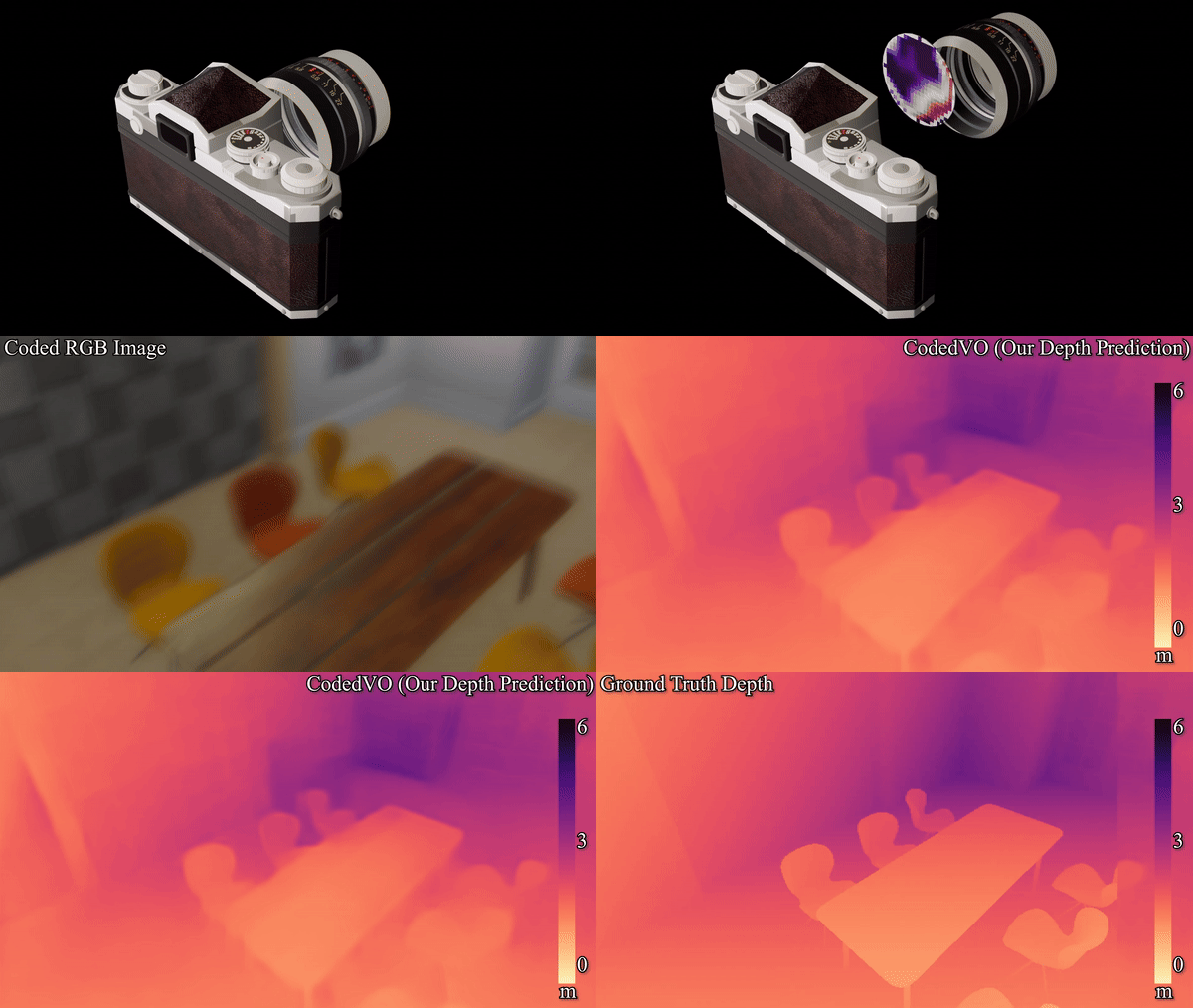
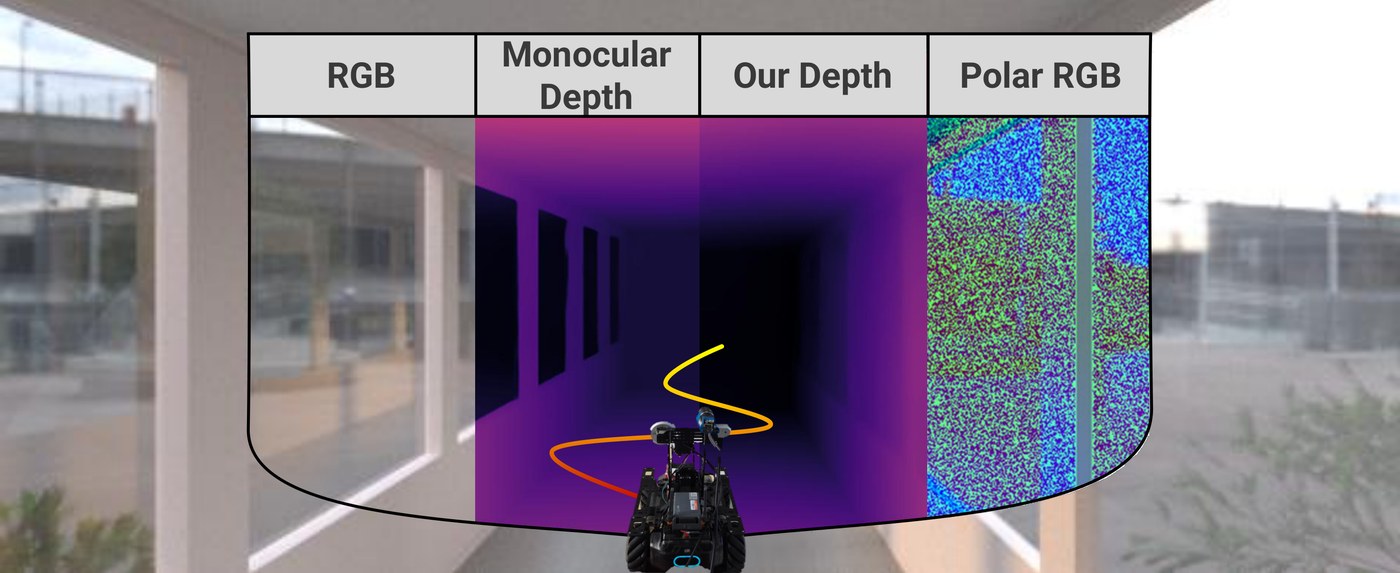
Design the optics for the task. CodedVO and PolarDepth encode metric depth in a single image, so one small camera replaces a depth sensor.
computervision·metricdepth·visualodometryRobotics · Insect-Inspired AI · Computer Vision
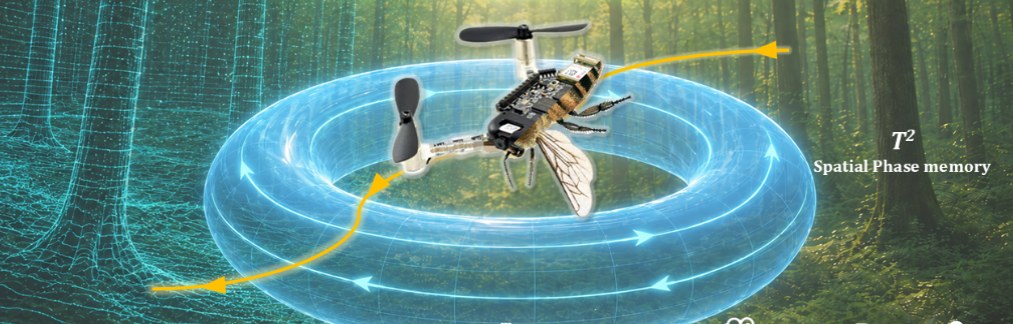
Insect-inspired AI for tiny robots.
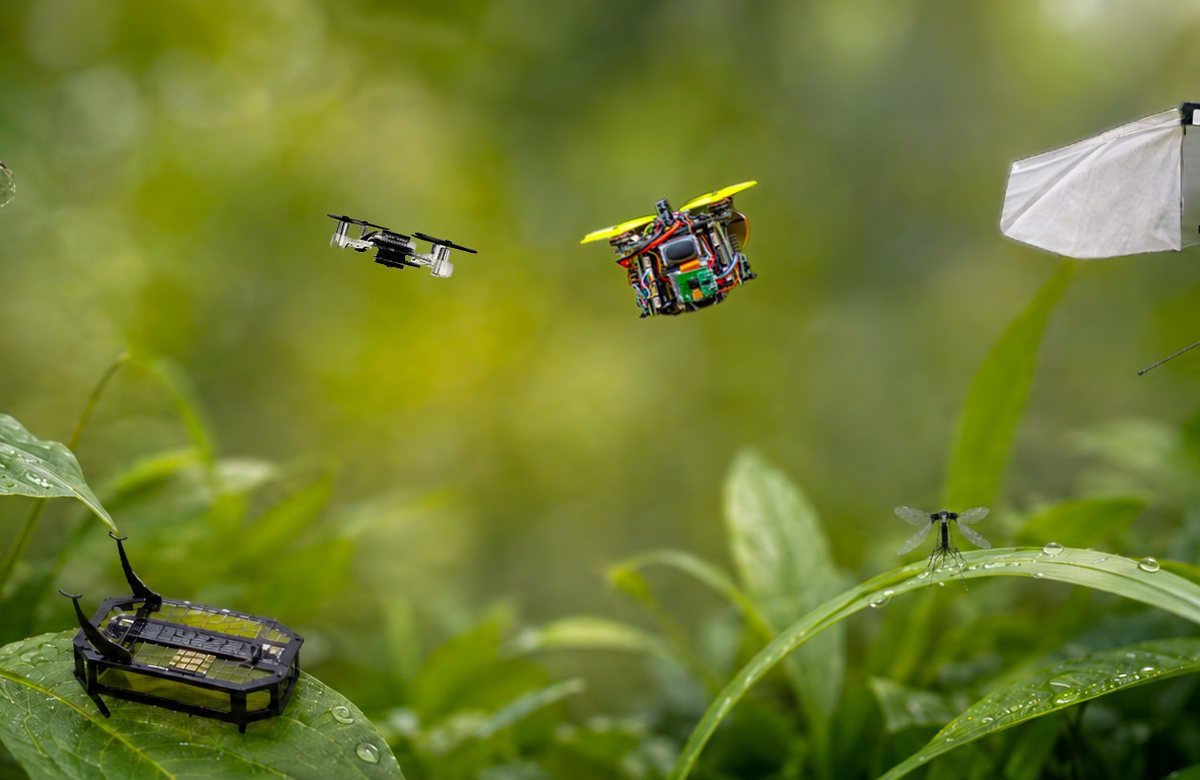
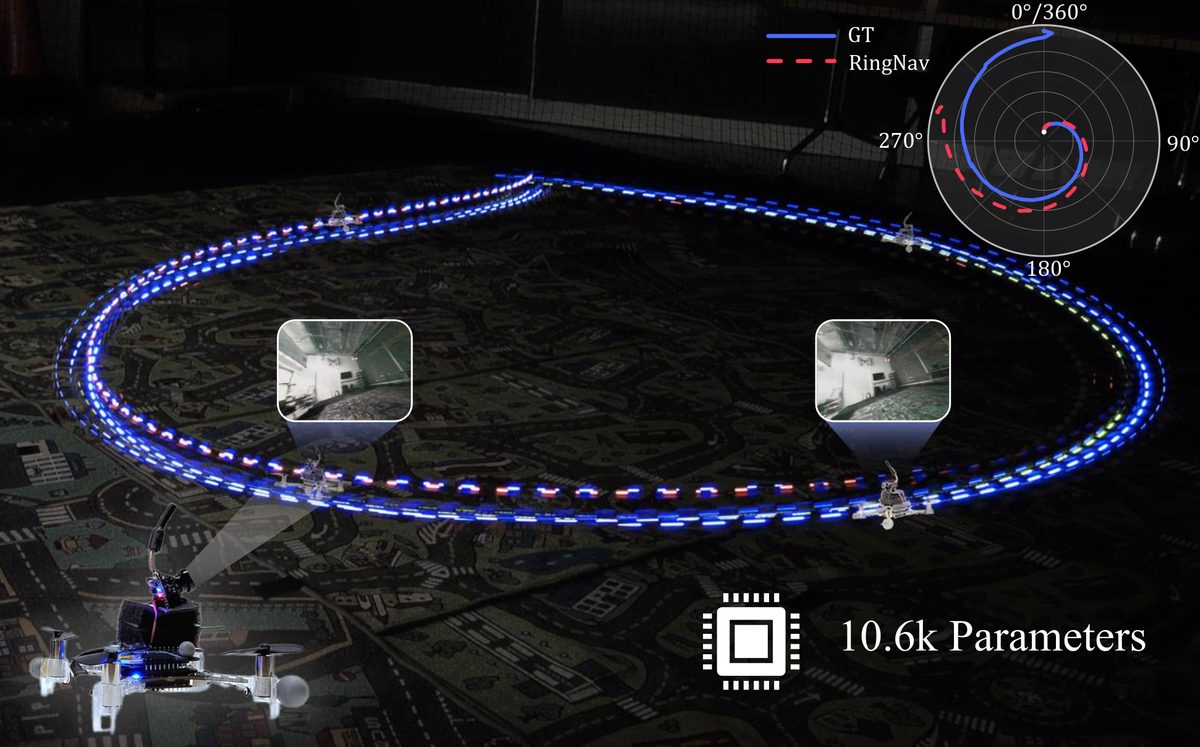
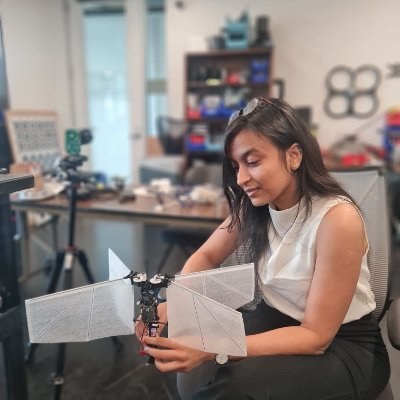
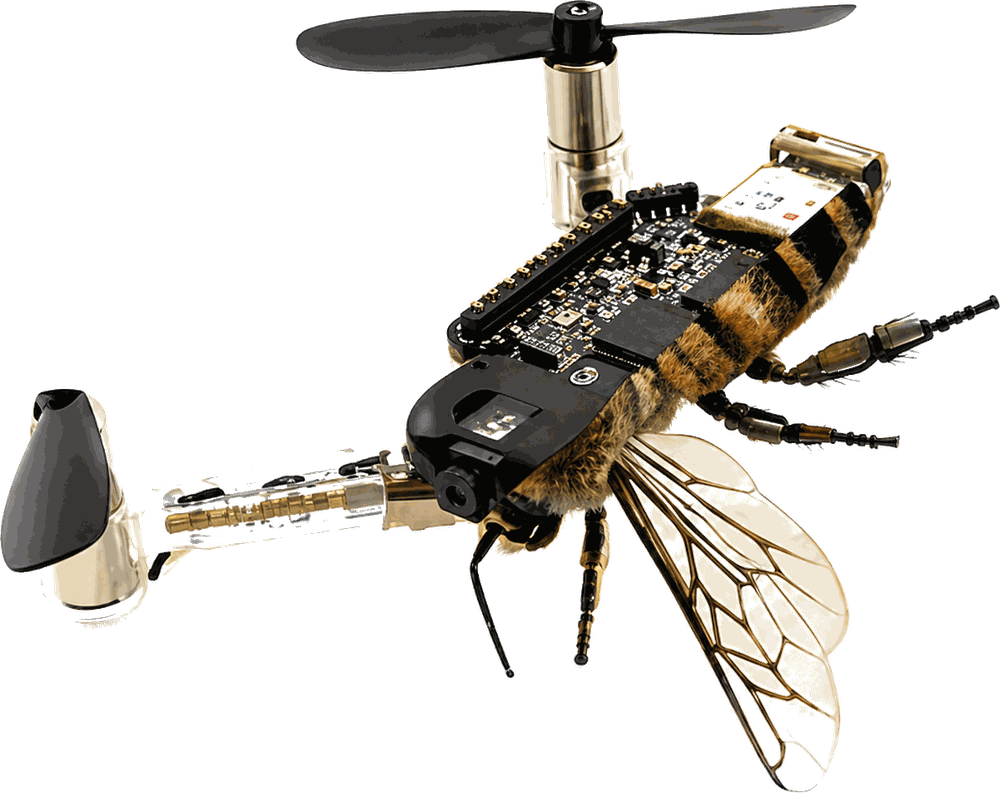
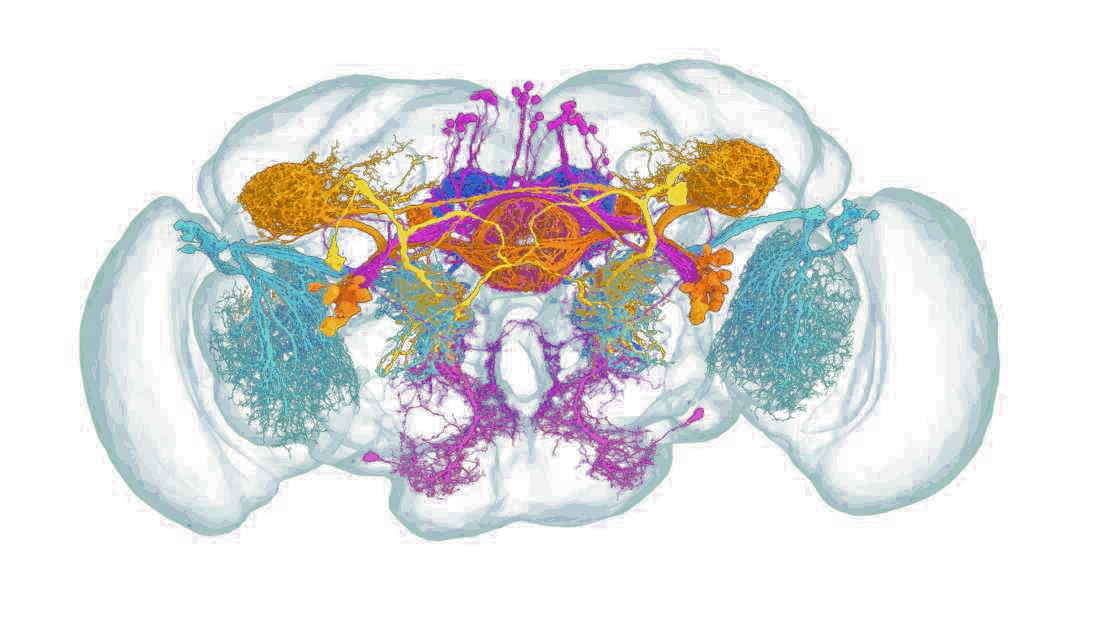
I am a Ph.D. student in Computer Science at the University of Maryland, advised by Prof. Yiannis Aloimonos. A honeybee crosses miles of changing terrain, finds food, and returns home on roughly a million neurons. I build insect-inspired AI on those terms: compact representations that keep only what a robot needs in order to act, so palm-sized robots can navigate on the power, memory, and compute they actually carry.
Research Objective
One compact perception–memory–action loop.
Hover a brain region to open a research pillar. Tap to pin.
coded aperture · polarizationDesign the optics for the task. CodedVO and PolarDepth encode metric depth in a single image, so one small camera replaces a depth sensor.
computervision·metricdepth·visualodometry
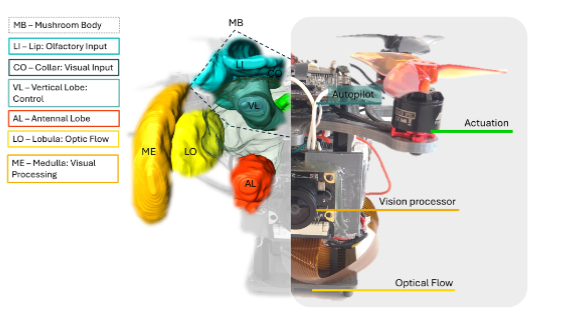
ring S¹ · torus T²Shape memory like the task. Heading is a circle, route progress a torus, homing a single vector, small enough to run onboard.
task-shapedmemory·ringattractor·onboardnavigation
viability · active sensingKnow enough to act. Minimum-Information Viability sets the least sensing needed to reach a goal safely, and says when to move to see more.
informationfloor·activesensing·flapping-wingrobotsNews & media

Full-day workshop in Pittsburgh, 1 October 2026.

Talk at the 2026 Telluride Neuromorphic AI Workshop.

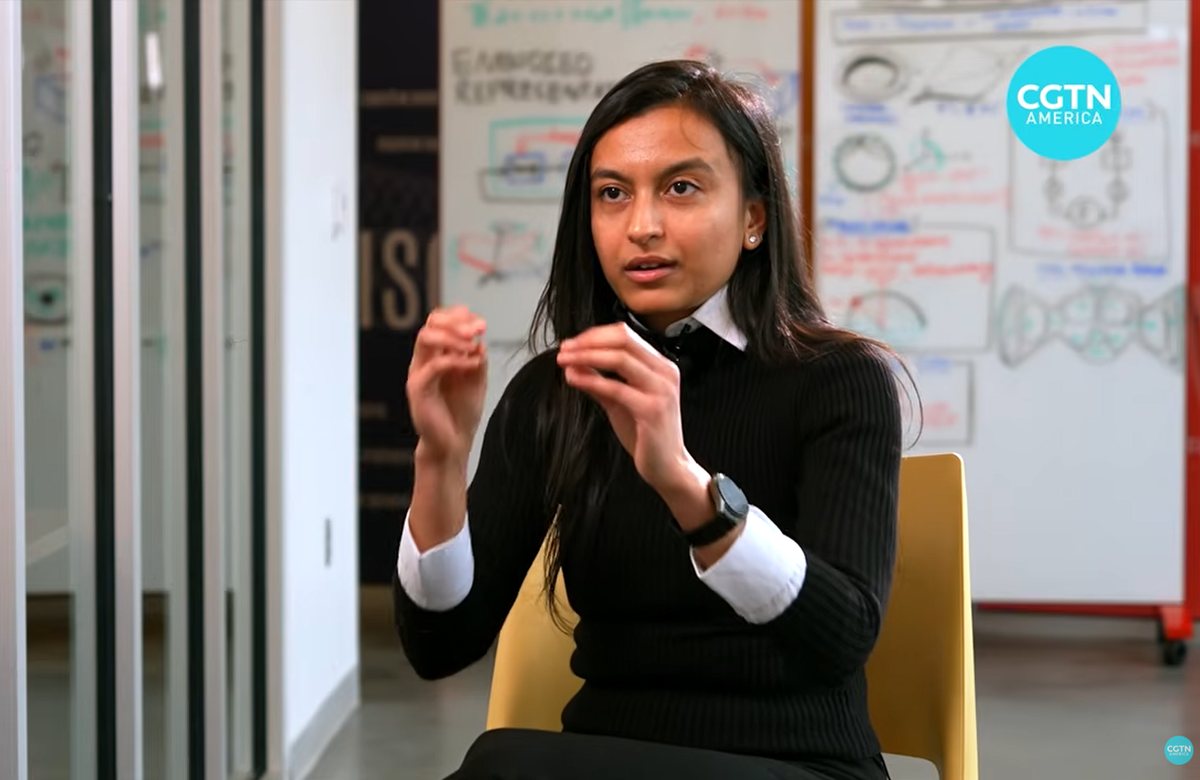
CGTN America, 4 July 2026.

To be presented at IROS 2026.

UMD Department of Computer Science, 2025–2026.
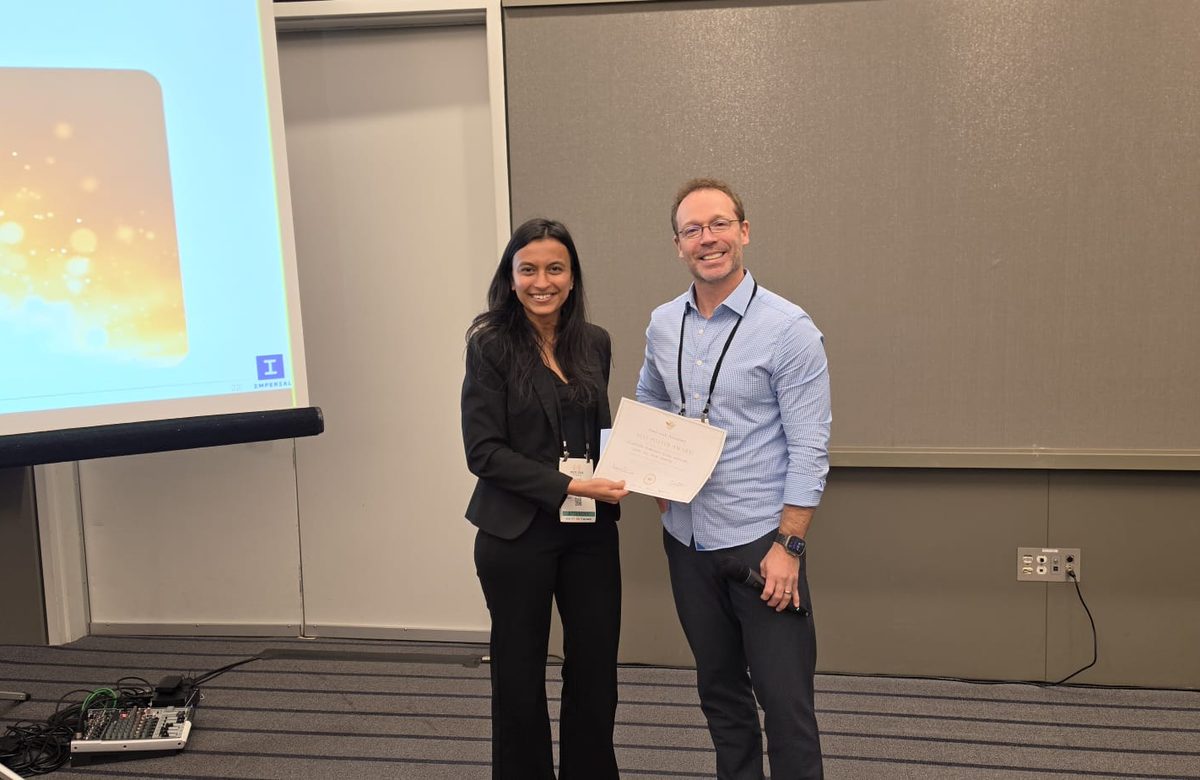
Inaugural AIM Research & Learning Symposium, 5 May 2026.
Research output
A single polarization camera recovers cues that RGB and active depth sensors often miss around glass, improving monocular depth and visual odometry in glass-dominant environments.
A coded aperture physically encodes metric depth cues into images to resolve scale ambiguity in monocular visual odometry.
Roles
Portfolio
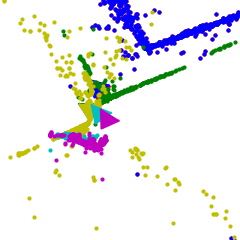
3D reconstruction, feature correspondence, non-linear PnP, triangulation, and camera pose estimation.
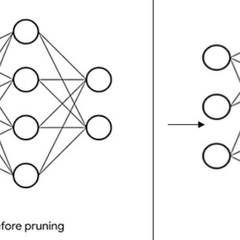
Iterative magnitude pruning on 5% of weights with a 1000-sample dataset, retaining a generalizable model for diverse computer vision applications.
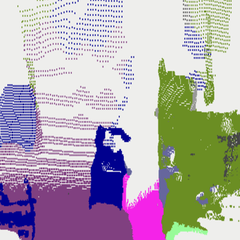
Semantic segmentation across LiDAR and camera using SegFormer for multi-sensor scene understanding.
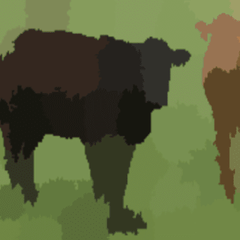
Image segmentation using superpixels generated with SLIC and k-means, classified with high accuracy using VGG16.
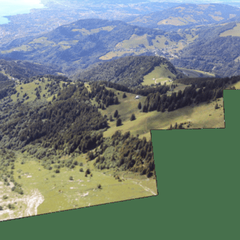
Panoramic image stitching using both classical homography-based methods and deep learning approaches.
Collaborate